The 2026 Belgian racing calendar stands as a study in contrasts, far removed from standard seasonal roundups of sequential track days. This year’s schedule underscores a distinct duality in modern sports tourism: the divide between witnessing elite engineering marvels and testing the raw limits of the human engine.
While international attention predictably gravitates toward the massive logistical operations required to host Formula 1 single-seaters in the Ardennes forest, the true depth of the Belgian season lies in its booming participatory endurance economy. The country has transformed into a proving ground that offers both high-end motorsport spectating and grueling amateur marathon and ultra-cycling participation.
Navigating this calendar requires understanding that a trip to Belgium in 2026 is no longer just about taking a seat in a grandstand. From the asphalt of historic racing circuits to the muddy gravel paths tracing centuries-old battlefields in Flanders, the events scheduled for this year demand a strategic approach. Whether you aim to navigate a crowd of hundreds of thousands or face a self-supported solitary grind, the 2026 season dictates that you choose your arena carefully.
Key Takeaways
- The 2026 Belgian Grand Prix is set as provisionally the 12th race of the F1 season, scheduled for the weekend of 17-19 July.
- Circuit de Spa-Francorchamps remains heavily accessible to amateurs, hosting events like the HANKOOK 25 HOURS FUN CUP, Public Driving Experience days, Curbstone Track Events, and the ELMS Test Day.
- Road cycling maintains a dense elite spectator schedule with UCI events including the Lotto Grand Prix de Wallonie and the Kampioenschap van Vlaanderen.
- The Athora Bruges Marathon takes place on Sunday, October 11, 2026, offering 8 km, 21.0975 km, and 42.195 km distances for participatory endurance athletes.
What is the 2026 Belgian Grand Prix Elite Spectator Experience?
The cornerstone of the elite spectator calendar is the Formula 1 Grand Prix. For 2026, the Belgian Grand Prix is scheduled for the weekend of 17-19 July. Placed as provisionally the 12th race of the F1 season, this mid-summer slot positions the event at a critical juncture in the championship battle, guaranteeing intense global interest and massive local crowds.
How Do You Manage the Logistical Reality of Spa?
Attending the race at the Circuit de Spa-Francorchamps is a major logistical undertaking. The scale of the event is immense, driven by the historic prestige of the venue.
For context, the 2025 Belgian Grand Prix weekend drew 389,000 attendees, according to F1 Destinations. Managing a temporary city of nearly 400,000 fans in the dense, undulating Ardennes forest requires extensive forward planning for accommodation, parking, and grandstand access.
Traffic management and crowd flow remain primary considerations for any spectator planning to attend the 17-19 July weekend. Booking regional transit and securing paddock or grandstand passes typically requires acting months in advance to ensure a viable viewing location.
What is the Impact of the Circuit’s Length?
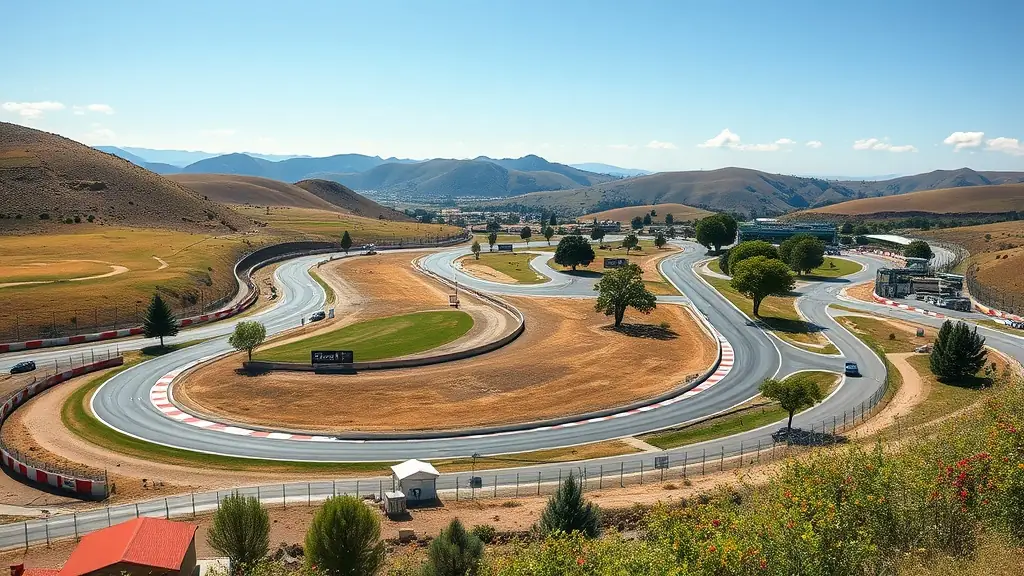
One of the defining characteristics that makes this specific event manageable despite the massive crowds is the track’s layout. At 7.004 km, according to F1.com, Circuit de Spa-Francorchamps is the longest circuit on the F1 calendar.
This extreme length provides a distinct advantage for spectators:
- Crowd Dispersion: The massive 389,000-person footprint is distributed over seven kilometers of trackside real estate, reducing bottlenecks compared to shorter, stadium-style circuits.
- Varied Viewing Angles: Fans can position themselves along iconic, high-elevation shifts like Eau Rouge or the lengthy Kemmel Straight, offering multiple distinct acoustic and visual experiences of the hybrid power units.
- Extended Lap Times: The longer track means fewer total laps, changing the rhythm of how fans consume the race strategy as cars disappear into the forest for longer intervals.
What Else Does the Spa Endurance and Grassroots Motorsport Calendar Offer?
While the Formula 1 weekend in July commands the largest international audience, the Circuit de Spa-Francorchamps operates as a multifaceted venue throughout the year. The facility caters heavily to grassroots motorsport, endurance racing, and amateur track enthusiasts, offering experiences that bridge the gap between spectating and participating.
How Accessible is Endurance Spectating?
For fans seeking the atmosphere of motorsport without the overwhelming logistical hurdles of the F1 weekend, the track hosts numerous alternative events. Upcoming events at the circuit include the ELMS Test Day and the grueling HANKOOK 25 HOURS FUN CUP.
The 25 Hours Fun Cup stands out as a unique endurance spectacle. It combines professional-level team strategy with a slightly more accessible entry point for modified vehicles, providing spectators with round-the-clock racing in a much more relaxed paddock environment than the Formula 1 Moët & Chandon Belgian Grand Prix 2026.
What is the Grassroots Motorhead Experience?
Spa is not strictly reserved for professional racing outfits. The 2026 calendar includes multiple avenues for private owners to test their own machinery on the exact same 7.004 km tarmac used by the elite tier.
Upcoming grassroots access opportunities include:
- Public Driving Experience: Organized as both Trackday and Tracknight sessions, allowing amateur drivers to learn the circuit under supervised conditions.
- Curbstone Track Events: Offering high-end track days tailored for sports cars and specialized track vehicles, providing a premium environment for testing amateur limits.
These participatory events flip the traditional motorsport narrative, allowing the everyday enthusiast to transition from watching the racing line to executing it themselves.
What Does Belgium’s 2026 Cycling Season Look Like?
Pivoting from the combustion engines of the Ardennes to the human engines of the north, the 2026 Belgian cycling calendar offers a rigorous schedule. This discipline strictly divides the calendar into events intended for passive roadside spectating and events designed as rigorous physical challenges for amateur participants.
Which Events Make Up the UCI Elite Spectator Calendar?
For those interested in watching professional road cycling, Belgium remains the historic epicenter of one-day racing. The 2026 schedule features a dense lineup of recognized UCI cycling races that wind through regional municipalities, bringing world-class athletes directly to the public squares of small towns.
According to Velowire, upcoming UCI cycling races in Belgium for 2026 include:
- Ixina Classic – GP Stad Halle
- Lotto Grand Prix de Wallonie
- Kampioenschap van Vlaanderen
- Flandrien 0.0 Classic
- Gooikse pijl p/b Lotto
- Lotto Omloop van het Houtland
- Binche – Chimay – Binche / Mémorial Frank Vandenbroucke
These events offer a highly accessible form of sports tourism. Unlike track motorsport, these roadside spectacles generally require no ticketing, allowing fans to witness the peloton up close as it navigates the tight, technical routes characteristic of Belgian road racing.
What Are the Amateur Gravel and Ultra Cycling Options?
For participants looking to test their own physical endurance, the calendar moves off the paved roads and into demanding, self-navigated territory. The growth of amateur ultra-endurance cycling has transformed the Belgian landscape into a premier destination for extreme participatory events.
These grueling challenges often strip away support vehicles and structured pelotons, forcing riders to manage their own nutrition, mechanical failures, and navigation. They offer amateur riders a punishing but scenic route that tests bike handling and stamina away from the traditional paved classics, highlighting the evolving nature of the Belgian cycling calendar.
How Can You Survive the October Marathon Double-Header?
For amateur endurance runners, the 2026 autumn calendar presents a unique and highly demanding logistical scenario. By examining the regional running schedule, a distinct challenge emerges for those willing to push their physical recovery capabilities to the absolute limit: the Flanders October Double-Header.
How is the October Double-Header Structured?
This synthesized endurance challenge is built upon two consecutive weekend events in neighboring historic cities:
- Leg One: The Athora Bruges Marathon takes place on Sunday, October 11, 2026. Runners will navigate the cobblestones and medieval architecture of West Flanders.
- Leg Two: Exactly seven days later, the Trek Antwerp Marathon will take place on Sunday, October 18, 2026, shifting the terrain to the bustling port city environment.
Attempting the full 42.195 km distance at both events with only a six-day recovery window requires strict adherence to advanced nutrition protocols, aggressive lactic acid management, and a highly disciplined pacing strategy during the Bruges leg to prevent complete muscular failure before arriving in Antwerp.
What Are the Scalable Participation Models?
While completing back-to-back 42.195 km races is an extreme undertaking reserved for seasoned marathoners, broader participation is possible through tiered distance offerings.
For those looking to participate in the autumn racing season without the severe physical toll of dual full marathons, step-down options are provided at specific events:
- Bruges Distances (Oct 11): According to Finishers.com, options include an 8 km race and a half-marathon at 21.0975 km.
This scalability allows casual athletes to design their own combination, such as running the 8 km in Bruges followed by the full marathon distance in Antwerp, creating a customized endurance roadmap that balances sports tourism with manageable physical exertion.
How Should You Choose Your 2026 Racing Experience?
Rather than viewing the 2026 schedule as a chronological list of dates, sports tourists should approach the calendar based on their personal risk tolerance, physical conditioning, and budget. To facilitate this decision-making process, we have categorized the year’s premier events into a strategic matrix.
This framework contrasts the elite spectator experience with grueling grassroots participation, allowing you to align your 2026 travel plans with your specific athlete or fan persona.
What is the 2026 Event Matrix?
| Event | Event Type | 2026 Date | Financial Cost Profile | Physical Toll |
|---|---|---|---|---|
| Belgian Grand Prix | Elite Spectator | 17-19 July | High (Tickets, Lodging) | Low (Viewing only) |
| 25 Hours Fun Cup | Grassroots Spectator | Varied | Moderate (Paddock access) | Low (Viewing only) |
| Athora Bruges Marathon | Amateur Participant | October 11 | Low (Registration fee) | High (Up to 42.195 km) |
How Do You Apply the Matrix to Your Persona?
- The Elite Spectacle Seeker: If your priority is witnessing the pinnacle of engineering and you have the budget to navigate premium ticketing and crowded hospitality sectors, lock in the 17-19 July F1 weekend at Spa. Your primary challenge will be logistical, not physical.
- The Grassroots Motorhead: If you prefer extended track time, mechanical accessibility, and avoiding massive crowds, pivot toward the 25 Hours Fun Cup at Spa. It provides the sights and sounds of endurance racing with a highly favorable cost profile.
- The Human Engine: If your goal is to test your own limits rather than watch others perform, you must direct your focus toward the autumn. Targeting October 11 for the Athora Bruges Marathon requires a low financial investment but demands a high physical toll, trading the grandstands for the starting line.
FAQ: How Do You Plan Your 2026 Belgian Race Season?
When is the Formula 1 Belgian Grand Prix scheduled for 2026?
The 2026 Belgian Grand Prix is scheduled for the weekend of 17-19 July and is set to be provisionally the 12th race of the F1 season.
How long is the track at Spa-Francorchamps?
Circuit de Spa-Francorchamps is the longest circuit on the F1 calendar, measuring exactly 7.004 km in length.
When does the Athora Bruges Marathon take place?
The Athora Bruges Marathon will take place on Sunday, October 11, 2026.
What running distances are available at the Bruges Marathon event?
The event accommodates multiple endurance levels with official race distances of 8 km, 21.0975 km, and 42.195 km.
How is the Landscape of Belgian Sports Tourism Evolving?
The 2026 schedule indicates a fundamental shift in how physical and mechanical endurance is consumed. Belgium is no longer exclusively a backdrop where crowds gather to watch international professionals navigate the Ardennes; it has actively transformed into a proving ground for the everyday athlete. The expansion of self-supported gravel tours and municipal marathon infrastructure highlights a growing participatory economy that challenges the dominance of passive spectating. As the line between witnessing an event and surviving one continues to blur, the question remains: how will the demands of the 2027 season adapt as the appetite for ultra-sports and grassroots participation inevitably explodes?